Defining the Upscale Casual Dining Concept
At its core, upscale casual dining—often referred to in the industry as polished casual—bridges the traditional gap between formal white-tablecloth establishments and everyday casual eateries. It offers a refined culinary environment without the rigid protocols, hushed tones, or steep price barriers that historically made high-end dining feel exclusive or intimidating. Over the past decade, changing consumer preferences have accelerated the growth of this segment, establishing it as one of the most resilient and profitable sectors in the hospitality industry.
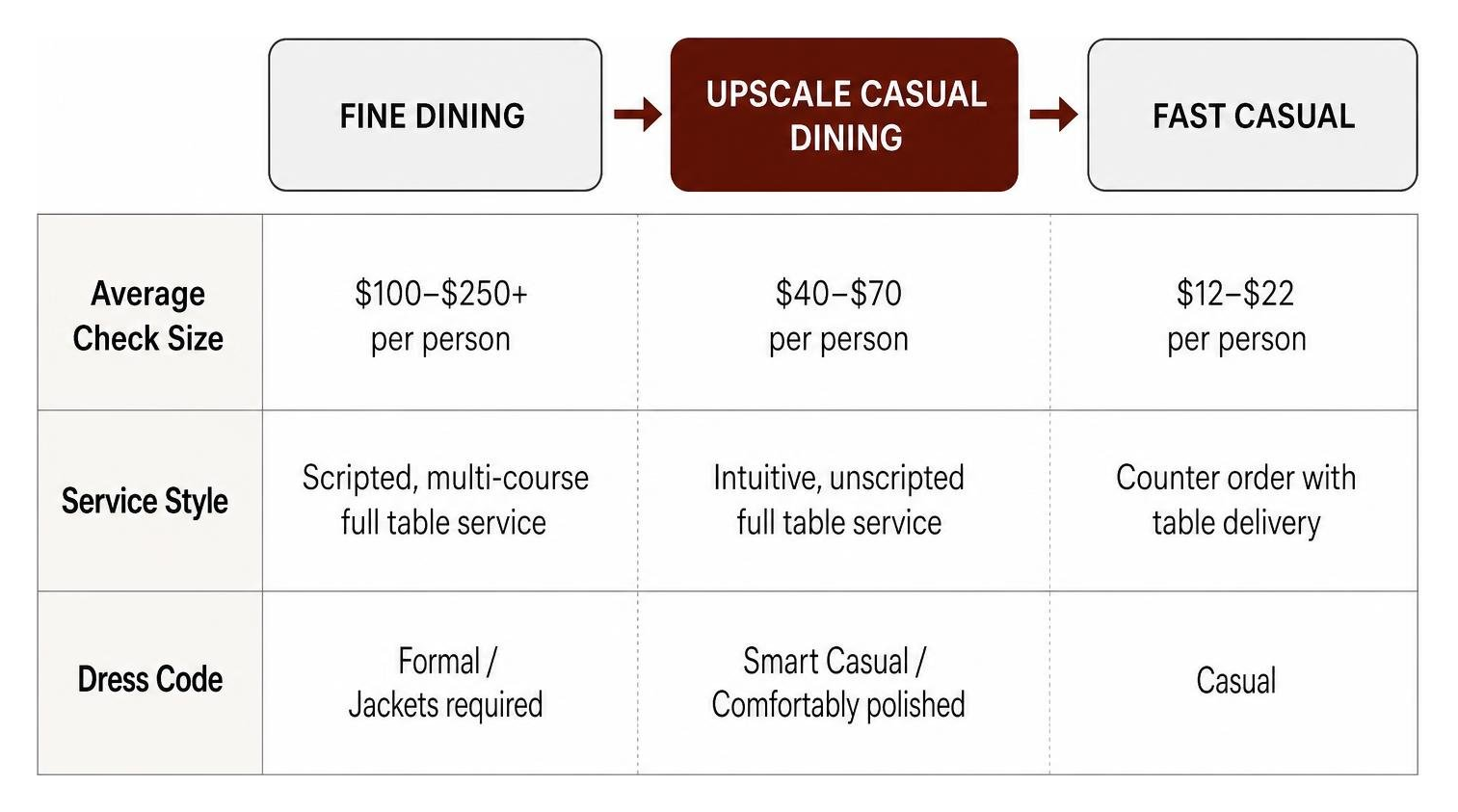
| Operational Attribute | Fine Dining | Upscale Casual Dining | Fast Casual |
|---|---|---|---|
| Average Check Size | $100–$250+ per person | $40–$70 per person | $12–$22 per person |
| Service Style | Scripted, multi-course full table service | Intuitive, unscripted full table service | Counter order with table delivery |
| Dress Code | Formal / Jackets required | Smart Casual / Comfortably polished | Casual |
| Atmosphere | Quiet, structured, traditional | Vibrant, stylish, acoustic-managed | Energetic, |
| Kitchen Operations | Dedicated chef brigades, high art presentation | Executive chef-led, scratch cooking | Processed assembly, high-speed lines |
This segment primarily attracts millennials and Gen X professionals, though its broad appeal draws families, business groups, and solo diners alike. These consumers actively seek “accessible luxury”—spending money on memorable experiences, artisanal food, and craft beverages without incurring the steep costs or long time commitments of traditional haute cuisine. Diners today prioritize authentic hospitality and high culinary execution over silver platters and tuxedoed staff.
Industry statistics highlight the strength and momentum of this model. Approximately 75% of upscale casual restaurants operate as independent concepts or boutique restaurant groups, allowing owners to prioritize culinary creativity and flexible hospitality over standardized corporate rules. Financially, this segment significantly outperforms traditional casual dining: roughly 13% of upscale casual restaurants generate over $2.5 million in annual revenue, compared to just 7% of standard casual dining establishments.
Fine Dining vs. Upscale Casual Dining
The main differences between fine dining and upscale casual dining come down to hospitality style, atmosphere, and service flexibility. Traditional fine dining often relies on multi-course tasting menus, strict table settings, and highly scripted server interactions that can sometimes feel distant, rigid, or preachy.
In contrast, upscale casual concepts emphasize unscripted, intuitive service. Front-of-house staff receive deep training in menu specifics, beverage pairings, and dietary options, but they are encouraged to interact with guests in a natural, warm, and authentic manner. The dress code drops stiff suits in favor of “smart casual”—allowing guests to feel comfortable whether celebrating a milestone anniversary or dropping in for weeknight drinks and small plates. This approach reflects Our Story, where high-end cooking techniques pair with genuine, approachable hospitality.
Fast Casual vs. Polished Casual Concepts
While fast casual dining focuses primarily on speed, throughput, and convenience through counter ordering, polished casual dining centers on the complete, immersive table service experience. Fast casual venues deliver high-quality ingredients quickly, but they lack the atmospheric pacing, curated beverage programs, and table-side hospitality that define upscale casual dining.
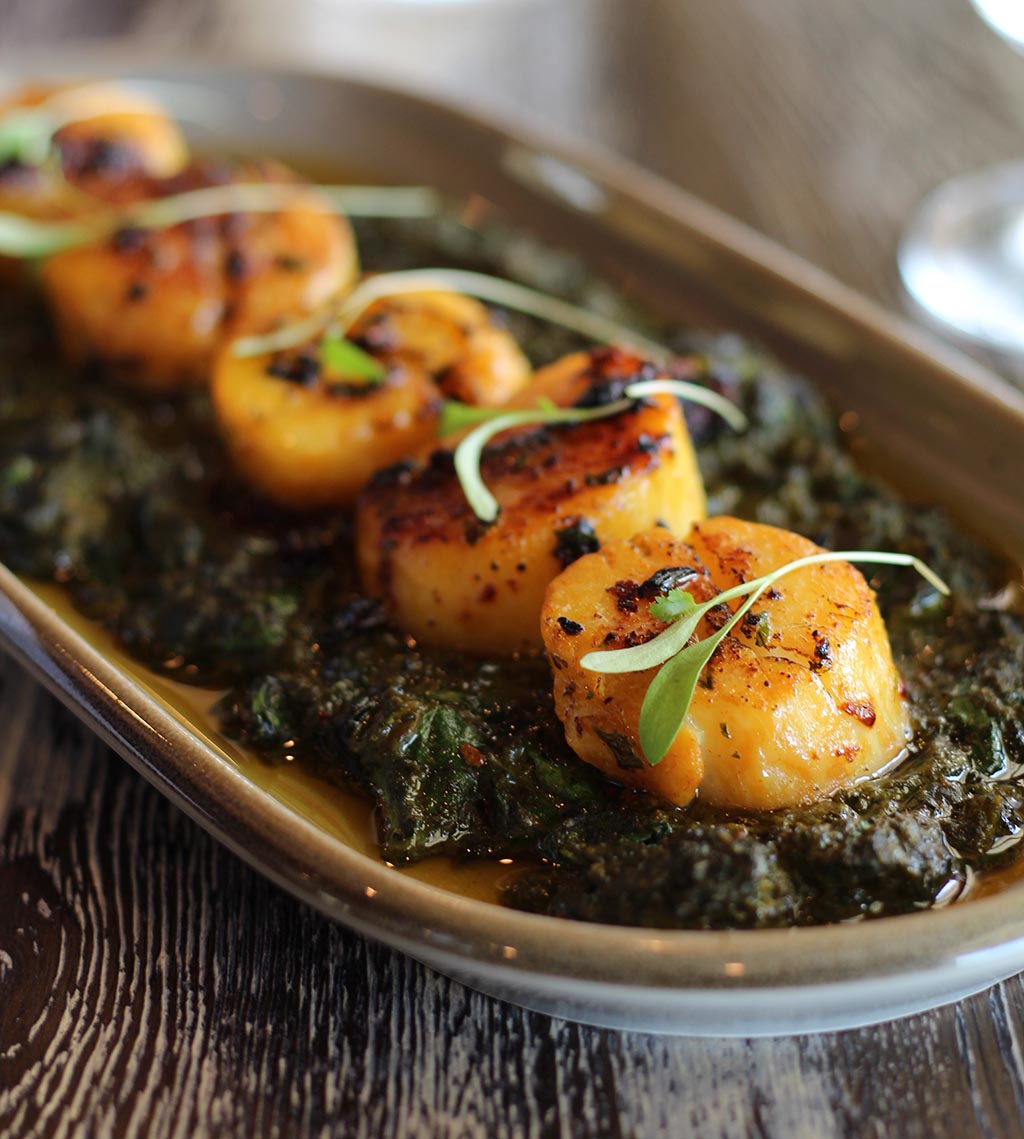
Polished casual kitchens feature professional executive chefs who oversee scratch cooking, artful plating, and precise timing across courses. Guests receive full table service, allowing them to linger over appetizers, enjoy paired craft cocktails, and engage with knowledgeable servers throughout their meal.
Essential Features: Ambiance, Culinary Craft, and Hospitality
The success of an upscale casual restaurant depends on three core elements working in harmony: interior design, culinary execution, and front-of-house hospitality. When properly executed, these elements transform a routine evening meal into a memorable sensory experience.
Modern interior design trends favor a careful balance of luxury, warmth, and character. Many contemporary spaces incorporate wabi-sabi design principles—combining clean minimalism with rich, natural textures like distressed wood, raw brick, exposed steel, and polished stone. Soft, dimmable ambient lighting creates an inviting evening mood, while thoughtful acoustic controls (such as sound-dampening ceiling panels, spatial layout choices, and strategically placed upholstery) keep conversation clear despite the lively energy of the room.
Chef-Driven Menus and Elevated Gastronomy
Menus in the upscale casual dining segment focus on top-tier ingredients, culinary skill, and vibrant, clear flavors rather than overly complex garnishes or tiny tasting portions. Key characteristics include:
- Seasonal Sourcing: Kitchens highlight local, seasonal produce and high-grade proteins cooked over open fires, charcoal grills, or specialized hearths.
- Global Culinary Fusion: Chefs combine distinct regional flavors with classical foundations, such as pairing rich Indian spice blends with traditional French sauce-making techniques.
- Shareable Formats: Menus feature small plates, artisanal flatbreads, and elevated starters that encourage communal dining, conversation, and culinary exploration.
- Thoughtful Beverage Programs: Wine lists featuring small-producer bottles, local craft beers, and custom signature cocktails are designed specifically to enhance and pair with menu flavors.
Unscripted Hospitality and Flexible Service Standards
Service in upscale casual dining strikes a delicate balance between high professional skill and genuine approachability. Instead of memorized scripts or formal rituals, staff learn to read the room—providing detailed food explanations for curious foodies while giving business meetings or intimate date nights space to talk uninterrupted.
Flexible seating layouts, featuring a dynamic mix of deep leather booths, high-top bar tables, open kitchen counters, and cozy lounge spaces, accommodate solo diners, casual walk-ins, and large celebration dinner parties in one cohesive, vibrant room.
Financial Performance, Off-Premise Expansion, and Talent Retention
The strong financial metrics of upscale casual dining help explain its steady growth and rising popularity across the restaurant industry. High average unit volumes (AUVs) stem from robust dinner service sales, solid bar profits (where alcohol often accounts for 20% to 25% or more of total spend), and rapidly growing off-premise channel orders.
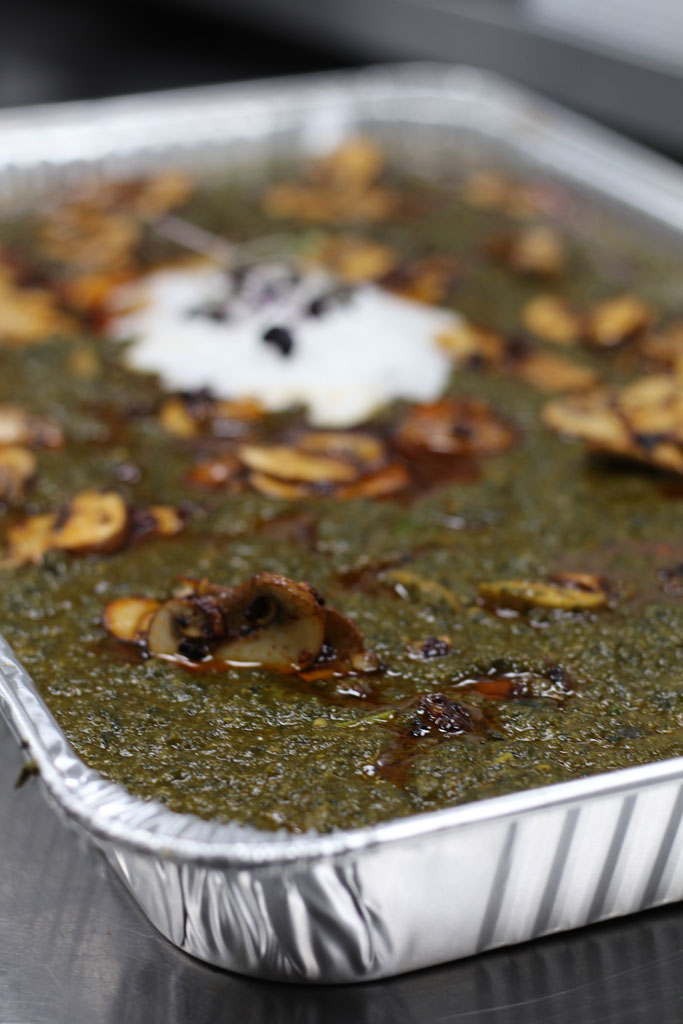
According to financial data on restaurant unit performance, well-managed multi-unit upscale casual concepts can achieve average weekly sales exceeding $240,000, translating to annualized unit revenues above $12 million. Healthy profit margins are supported by smart menu engineering, shareable dish economics, high-margin craft cocktail menus, and disciplined inventory management.
Off-Premise Demand in Upscale Casual Dining
Off-premise dining is no longer limited to fast food or quick-service chains. Upscale casual operators have successfully adapted to high takeout and catering demand by investing in modern off-premise infrastructure:
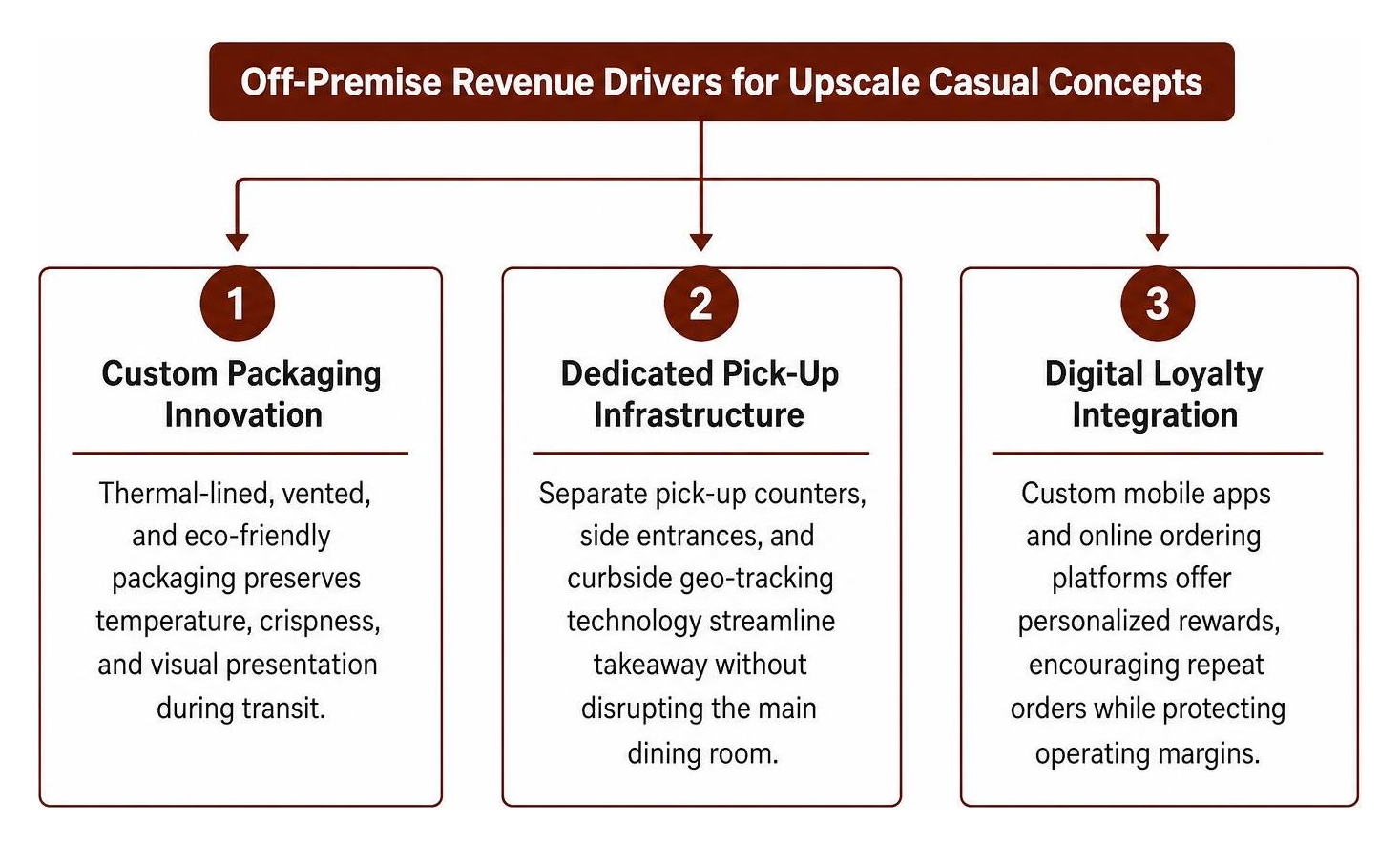
- Custom Packaging Innovation: Thermal-lined, vented, and eco-friendly custom packaging preserves temperature, crispness, and visual presentation during transit, ensuring off-premise guests experience near-dine-in quality.
- Dedicated Pick-Up Infrastructure: Separate pick-up counters, side entrances, and curbside geo-tracking technology streamline takeaway orders without disrupting the flow or ambiance of the main dining room.
- Digital Loyalty Integration: Custom mobile apps and online ordering platforms offer personalized rewards and effortless reordering, encouraging repeat orders while protecting operating margins from third-party commission fees.
Talent Attraction and Staff Tenure
High-volume, polished casual operations provide financial stability, lucrative tip earnings, and structured working environments that appeal directly to skilled kitchen and front-of-house talent.
By offering clear career growth paths, ongoing professional culinary training, fair scheduling practices, and competitive compensation, leading upscale casual restaurant groups maintain staff retention rates well above industry averages. General managers and executive chefs in this segment often report long tenures, creating steady leadership that translates directly into consistent food quality, operational efficiency, and exceptional guest service.
Innovations and Future Growth Drivers
Looking forward, several key innovations and evolving consumer habits are shaping the next generation of upscale casual dining concepts:

- Interactive and Experiential Dining: Guests increasingly gravitate toward live culinary elements that offer sensory engagement, such as tableside flambé presentations, open-fire hearth cooking, and interactive table setups.
- Eatertainment Hybrids: Concepts blending high-end dining with curated social gaming—such as boutique bowling, lawn games, or interactive lounge spaces—attract social groups seeking both activity and elevated culinary offerings.
- Tech-Enabled Operations: Kitchen display systems (KDS), automated inventory management tracking, and smart reservation tools allow restaurant teams to run highly efficient service without compromising personal, attentive hospitality.
- Sustainable Sourcing Practices: Modern diners expect transparent ingredient sourcing, zero-waste kitchen practices, energy-efficient appliances, and eco-friendly packaging solutions across all dining channels.
Frequently Asked Questions
What is the typical cost per person at an upscale casual restaurant?
A complete meal at an upscale casual dining establishment usually ranges from $40 to $70 per person before tax and tip. This spending typically includes a shared appetizer ($10–$20), a chef-prepared entree ($20–$40), a craft cocktail or glass of wine ($10–$18), and a shared dessert ($8–$15). The price point provides strong value given the quality of ingredients, atmosphere, and service.
What does a smart casual dress code mean in practice?
Smart casual balances relaxed comfort with a stylish, polished appearance. For men, this generally means dark denim, tailored trousers, button-down shirts, or polo shirts paired with clean loafers or stylish dress sneakers. For women, it includes elegant blouses, dresses, skirts, or tailored slacks. It avoids overly casual athletic wear, beachwear, flip-flops, or distressed work clothes.
Why are upscale casual concepts outperforming traditional casual chains?
Upscale casual concepts outperform traditional casual chains because they deliver noticeably higher food quality, vibrant contemporary ambiance, and more engaging service for only a moderate price difference. By focusing on scratch cooking, creative culinary concepts, and stylish spaces, they capture both special occasion dining and regular weekly visits, resulting in higher average unit volumes and stronger customer loyalty.
Conclusion
The rapid growth of upscale casual dining reflects a fundamental shift in modern consumer habits: diners want high-quality, memorable food served in stylish environments without the stiff formality or high cost of traditional fine dining. By combining skilled kitchen execution with relaxed hospitality, thoughtful ambiance, and culinary innovation, this segment has built a commanding position in the modern restaurant industry.
At Curry à la Flambé, we embrace this modern balance every day. Our kitchen brings Indian-French fusion to life through dramatic tableside flambé presentations—delivering bold spices, French cooking methods, and warm, accessible table service that engages all five senses.
Whether you are looking for a casual weeknight dinner or celebrating a special milestone, we invite you to explore our upscale casual dining menu and experience high-end flavor served in a relaxed, welcoming atmosphere.