Author: WWSadmin

  • Why Upscale Casual Dining Is Taking Over the Modern Restaurant Scene

    Why Upscale Casual Dining Is Taking Over the Modern Restaurant Scene

    Defining the Upscale Casual Dining Concept

    At its core, upscale casual dining—often referred to in the industry as polished casual—bridges the traditional gap between formal white-tablecloth establishments and everyday casual eateries. It offers a refined culinary environment without the rigid protocols, hushed tones, or steep price barriers that historically made high-end dining feel exclusive or intimidating. Over the past decade, changing consumer preferences have accelerated the growth of this segment, establishing it as one of the most resilient and profitable sectors in the hospitality industry.

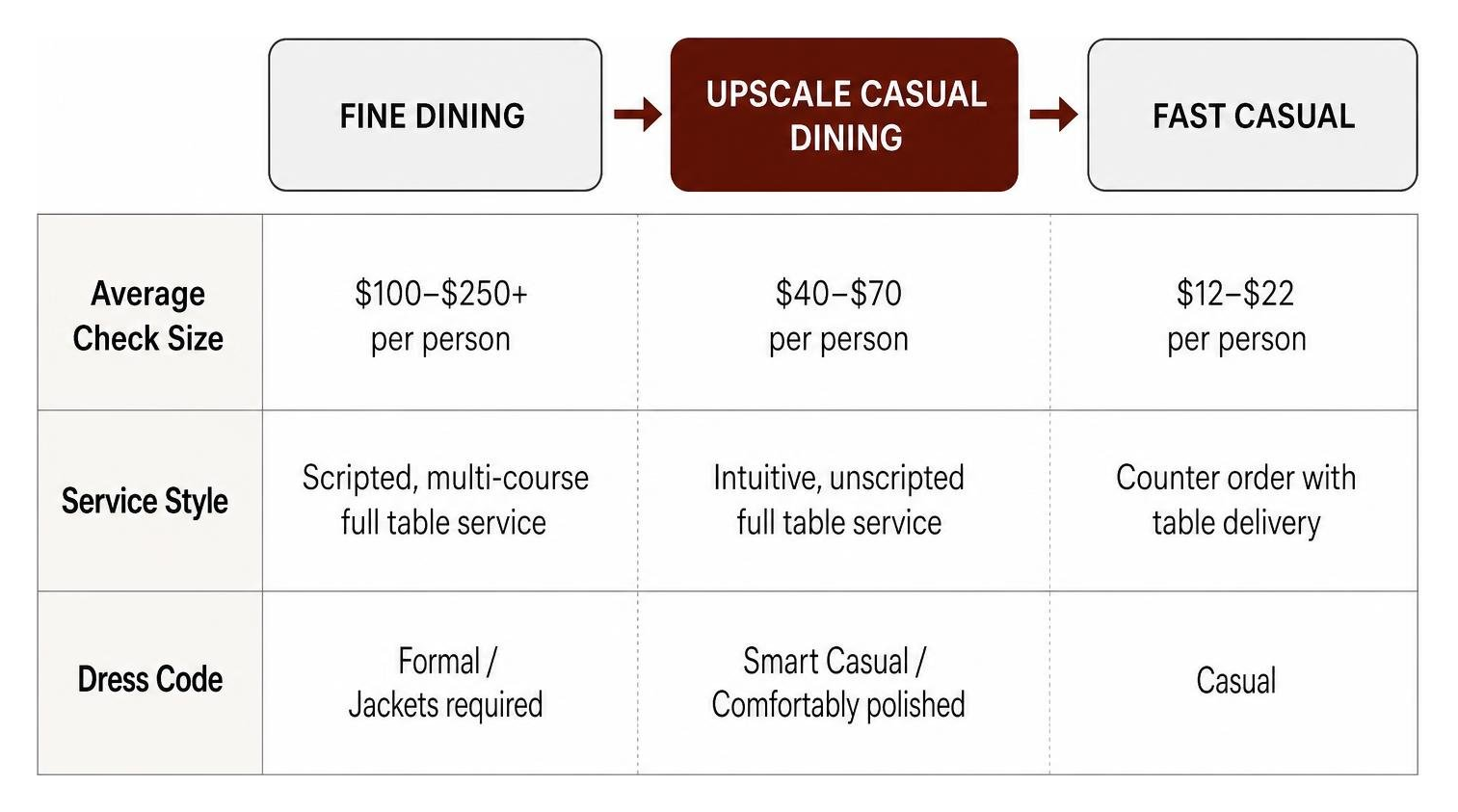
    Operational Attribute Fine Dining Upscale Casual Dining Fast Casual
    Average Check Size $100–$250+ per person $40–$70 per person $12–$22 per person
    Service Style Scripted, multi-course full table service Intuitive, unscripted full table service Counter order with table delivery
    Dress Code Formal / Jackets required Smart Casual / Comfortably polished Casual
    Atmosphere Quiet, structured, traditional Vibrant, stylish, acoustic-managed Energetic,
    Kitchen Operations Dedicated chef brigades, high art presentation Executive chef-led, scratch cooking Processed assembly, high-speed lines

    This segment primarily attracts millennials and Gen X professionals, though its broad appeal draws families, business groups, and solo diners alike. These consumers actively seek “accessible luxury”—spending money on memorable experiences, artisanal food, and craft beverages without incurring the steep costs or long time commitments of traditional haute cuisine. Diners today prioritize authentic hospitality and high culinary execution over silver platters and tuxedoed staff.

    Industry statistics highlight the strength and momentum of this model. Approximately 75% of upscale casual restaurants operate as independent concepts or boutique restaurant groups, allowing owners to prioritize culinary creativity and flexible hospitality over standardized corporate rules. Financially, this segment significantly outperforms traditional casual dining: roughly 13% of upscale casual restaurants generate over $2.5 million in annual revenue, compared to just 7% of standard casual dining establishments.

    Fine Dining vs. Upscale Casual Dining

    The main differences between fine dining and upscale casual dining come down to hospitality style, atmosphere, and service flexibility. Traditional fine dining often relies on multi-course tasting menus, strict table settings, and highly scripted server interactions that can sometimes feel distant, rigid, or preachy.

    In contrast, upscale casual concepts emphasize unscripted, intuitive service. Front-of-house staff receive deep training in menu specifics, beverage pairings, and dietary options, but they are encouraged to interact with guests in a natural, warm, and authentic manner. The dress code drops stiff suits in favor of “smart casual”—allowing guests to feel comfortable whether celebrating a milestone anniversary or dropping in for weeknight drinks and small plates. This approach reflects Our Story, where high-end cooking techniques pair with genuine, approachable hospitality.

    Fast Casual vs. Polished Casual Concepts

    While fast casual dining focuses primarily on speed, throughput, and convenience through counter ordering, polished casual dining centers on the complete, immersive table service experience. Fast casual venues deliver high-quality ingredients quickly, but they lack the atmospheric pacing, curated beverage programs, and table-side hospitality that define upscale casual dining.
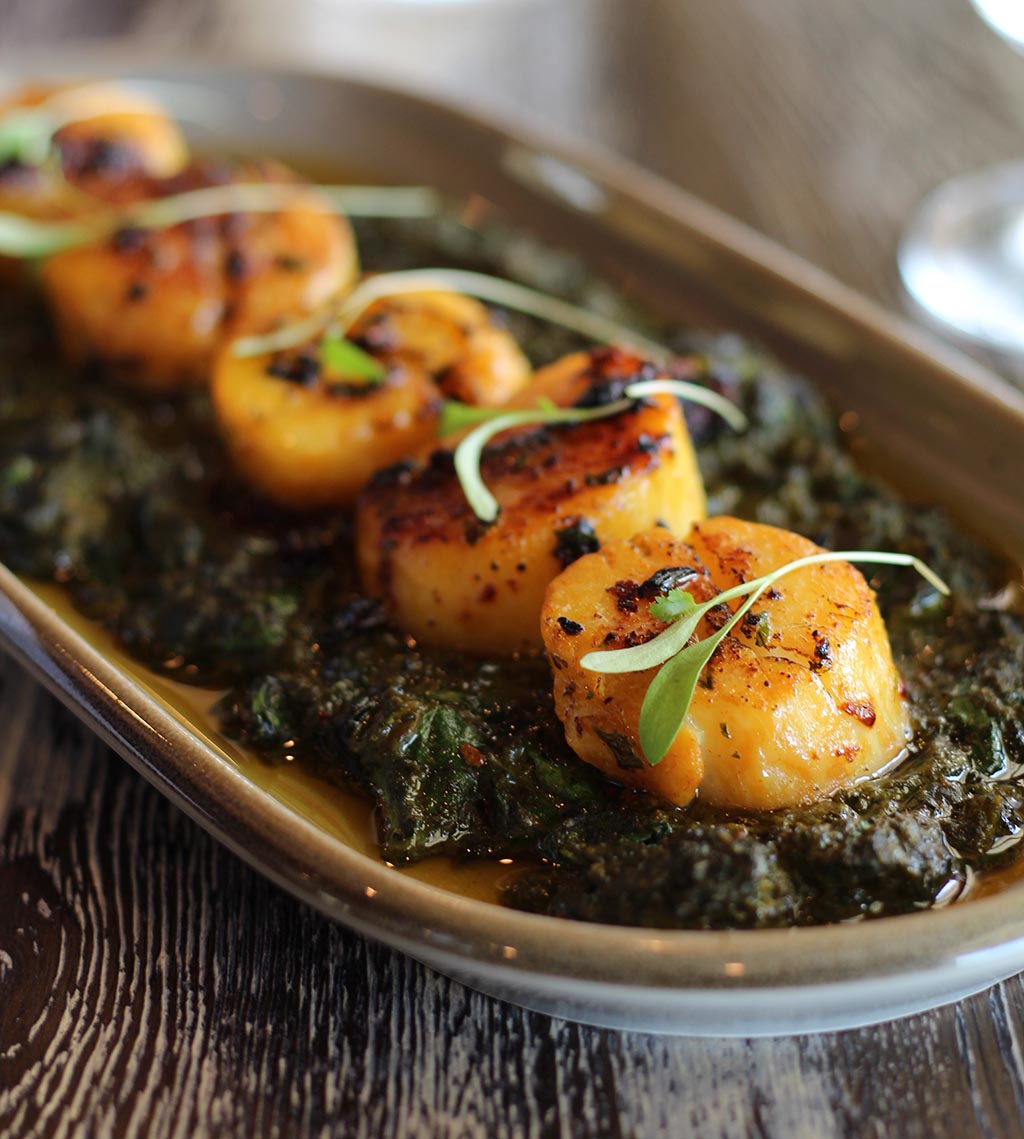
    Kitchen brigade plate presentation

    Polished casual kitchens feature professional executive chefs who oversee scratch cooking, artful plating, and precise timing across courses. Guests receive full table service, allowing them to linger over appetizers, enjoy paired craft cocktails, and engage with knowledgeable servers throughout their meal.

    Essential Features: Ambiance, Culinary Craft, and Hospitality

    The success of an upscale casual restaurant depends on three core elements working in harmony: interior design, culinary execution, and front-of-house hospitality. When properly executed, these elements transform a routine evening meal into a memorable sensory experience.

    Modern interior design trends favor a careful balance of luxury, warmth, and character. Many contemporary spaces incorporate wabi-sabi design principles—combining clean minimalism with rich, natural textures like distressed wood, raw brick, exposed steel, and polished stone. Soft, dimmable ambient lighting creates an inviting evening mood, while thoughtful acoustic controls (such as sound-dampening ceiling panels, spatial layout choices, and strategically placed upholstery) keep conversation clear despite the lively energy of the room.

    Chef-Driven Menus and Elevated Gastronomy

    Menus in the upscale casual dining segment focus on top-tier ingredients, culinary skill, and vibrant, clear flavors rather than overly complex garnishes or tiny tasting portions. Key characteristics include:

    • Seasonal Sourcing: Kitchens highlight local, seasonal produce and high-grade proteins cooked over open fires, charcoal grills, or specialized hearths.
    • Global Culinary Fusion: Chefs combine distinct regional flavors with classical foundations, such as pairing rich Indian spice blends with traditional French sauce-making techniques.
    • Shareable Formats: Menus feature small plates, artisanal flatbreads, and elevated starters that encourage communal dining, conversation, and culinary exploration.
    • Thoughtful Beverage Programs: Wine lists featuring small-producer bottles, local craft beers, and custom signature cocktails are designed specifically to enhance and pair with menu flavors.

    Unscripted Hospitality and Flexible Service Standards

    Service in upscale casual dining strikes a delicate balance between high professional skill and genuine approachability. Instead of memorized scripts or formal rituals, staff learn to read the room—providing detailed food explanations for curious foodies while giving business meetings or intimate date nights space to talk uninterrupted.

    Flexible seating layouts, featuring a dynamic mix of deep leather booths, high-top bar tables, open kitchen counters, and cozy lounge spaces, accommodate solo diners, casual walk-ins, and large celebration dinner parties in one cohesive, vibrant room.

    Financial Performance, Off-Premise Expansion, and Talent Retention

    The strong financial metrics of upscale casual dining help explain its steady growth and rising popularity across the restaurant industry. High average unit volumes (AUVs) stem from robust dinner service sales, solid bar profits (where alcohol often accounts for 20% to 25% or more of total spend), and rapidly growing off-premise channel orders.
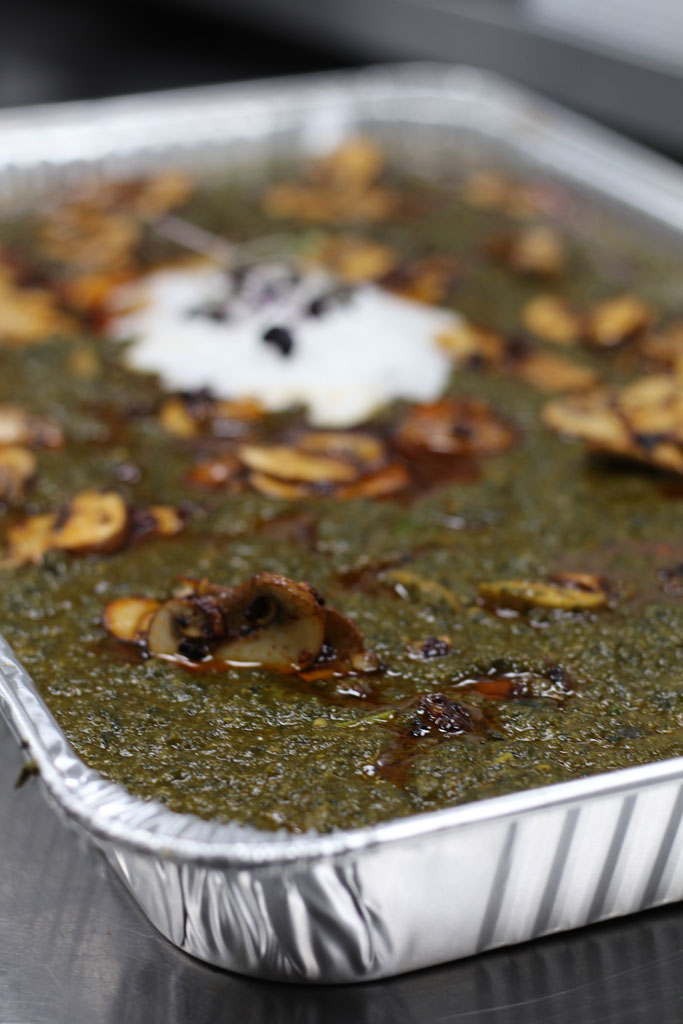
    Premium off-premise takeout packaging

    According to financial data on restaurant unit performance, well-managed multi-unit upscale casual concepts can achieve average weekly sales exceeding $240,000, translating to annualized unit revenues above $12 million. Healthy profit margins are supported by smart menu engineering, shareable dish economics, high-margin craft cocktail menus, and disciplined inventory management.

    Off-Premise Demand in Upscale Casual Dining

    Off-premise dining is no longer limited to fast food or quick-service chains. Upscale casual operators have successfully adapted to high takeout and catering demand by investing in modern off-premise infrastructure:
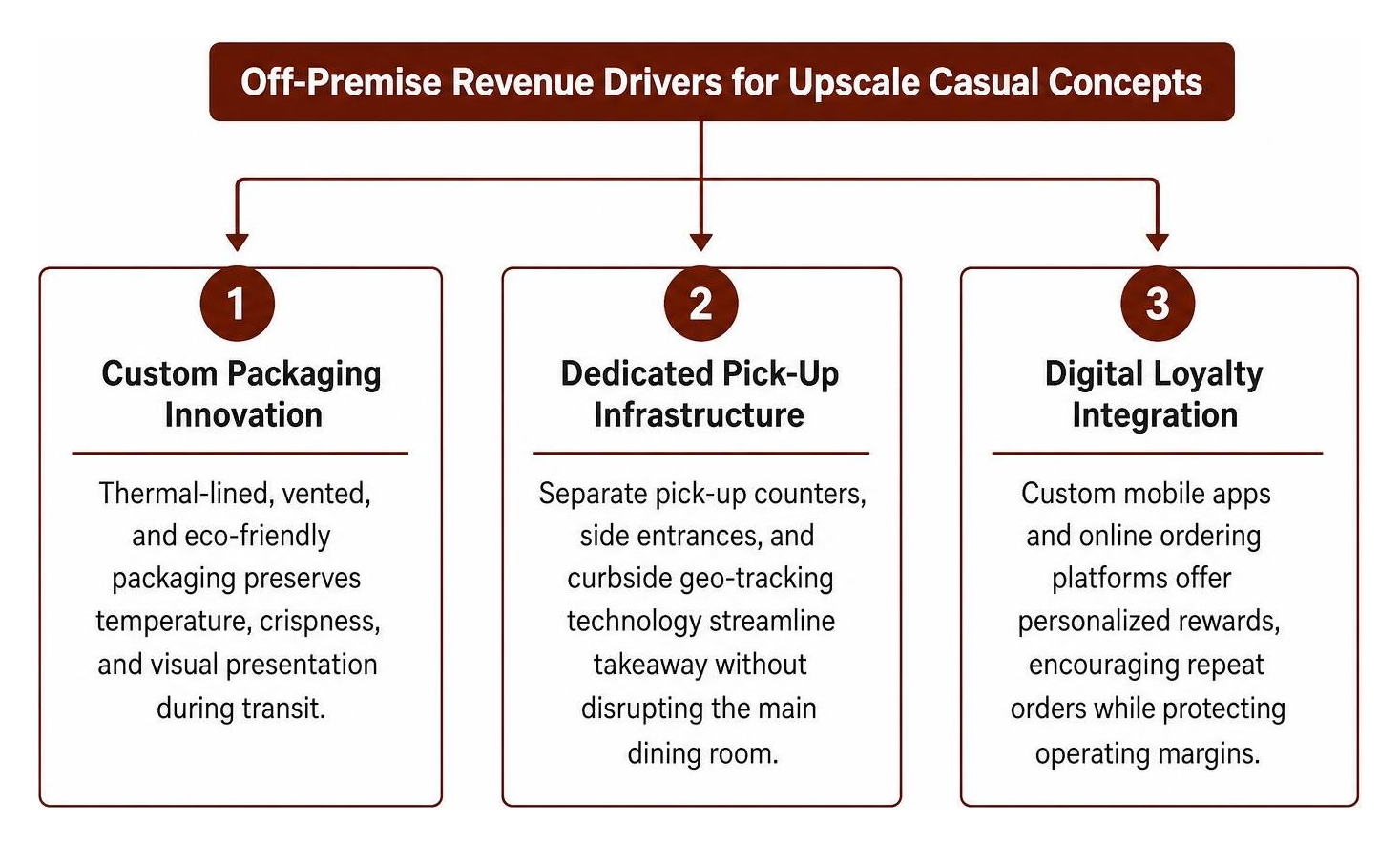
    Off-premise revenue drivers for upscale casual concepts

    1. Custom Packaging Innovation: Thermal-lined, vented, and eco-friendly custom packaging preserves temperature, crispness, and visual presentation during transit, ensuring off-premise guests experience near-dine-in quality.
    2. Dedicated Pick-Up Infrastructure: Separate pick-up counters, side entrances, and curbside geo-tracking technology streamline takeaway orders without disrupting the flow or ambiance of the main dining room.
    3. Digital Loyalty Integration: Custom mobile apps and online ordering platforms offer personalized rewards and effortless reordering, encouraging repeat orders while protecting operating margins from third-party commission fees.

    Talent Attraction and Staff Tenure

    High-volume, polished casual operations provide financial stability, lucrative tip earnings, and structured working environments that appeal directly to skilled kitchen and front-of-house talent.

    By offering clear career growth paths, ongoing professional culinary training, fair scheduling practices, and competitive compensation, leading upscale casual restaurant groups maintain staff retention rates well above industry averages. General managers and executive chefs in this segment often report long tenures, creating steady leadership that translates directly into consistent food quality, operational efficiency, and exceptional guest service.

    Innovations and Future Growth Drivers

    Looking forward, several key innovations and evolving consumer habits are shaping the next generation of upscale casual dining concepts:

    Innovative craft cocktail presentation

    • Interactive and Experiential Dining: Guests increasingly gravitate toward live culinary elements that offer sensory engagement, such as tableside flambé presentations, open-fire hearth cooking, and interactive table setups.
    • Eatertainment Hybrids: Concepts blending high-end dining with curated social gaming—such as boutique bowling, lawn games, or interactive lounge spaces—attract social groups seeking both activity and elevated culinary offerings.
    • Tech-Enabled Operations: Kitchen display systems (KDS), automated inventory management tracking, and smart reservation tools allow restaurant teams to run highly efficient service without compromising personal, attentive hospitality.
    • Sustainable Sourcing Practices: Modern diners expect transparent ingredient sourcing, zero-waste kitchen practices, energy-efficient appliances, and eco-friendly packaging solutions across all dining channels.

    Frequently Asked Questions

    What is the typical cost per person at an upscale casual restaurant?

    A complete meal at an upscale casual dining establishment usually ranges from $40 to $70 per person before tax and tip. This spending typically includes a shared appetizer ($10–$20), a chef-prepared entree ($20–$40), a craft cocktail or glass of wine ($10–$18), and a shared dessert ($8–$15). The price point provides strong value given the quality of ingredients, atmosphere, and service.

    What does a smart casual dress code mean in practice?

    Smart casual balances relaxed comfort with a stylish, polished appearance. For men, this generally means dark denim, tailored trousers, button-down shirts, or polo shirts paired with clean loafers or stylish dress sneakers. For women, it includes elegant blouses, dresses, skirts, or tailored slacks. It avoids overly casual athletic wear, beachwear, flip-flops, or distressed work clothes.

    Why are upscale casual concepts outperforming traditional casual chains?

    Upscale casual concepts outperform traditional casual chains because they deliver noticeably higher food quality, vibrant contemporary ambiance, and more engaging service for only a moderate price difference. By focusing on scratch cooking, creative culinary concepts, and stylish spaces, they capture both special occasion dining and regular weekly visits, resulting in higher average unit volumes and stronger customer loyalty.

    Conclusion

    The rapid growth of upscale casual dining reflects a fundamental shift in modern consumer habits: diners want high-quality, memorable food served in stylish environments without the stiff formality or high cost of traditional fine dining. By combining skilled kitchen execution with relaxed hospitality, thoughtful ambiance, and culinary innovation, this segment has built a commanding position in the modern restaurant industry.

    At Curry à la Flambé, we embrace this modern balance every day. Our kitchen brings Indian-French fusion to life through dramatic tableside flambé presentations—delivering bold spices, French cooking methods, and warm, accessible table service that engages all five senses.

    Whether you are looking for a casual weeknight dinner or celebrating a special milestone, we invite you to explore our upscale casual dining menu and experience high-end flavor served in a relaxed, welcoming atmosphere.
  • Why Flame Grilled Indian Food is Taking Over the Dining Scene

    Why Flame Grilled Indian Food is Taking Over the Dining Scene

    Why Flame Grill Indian Cuisine Is Winning Diners Over

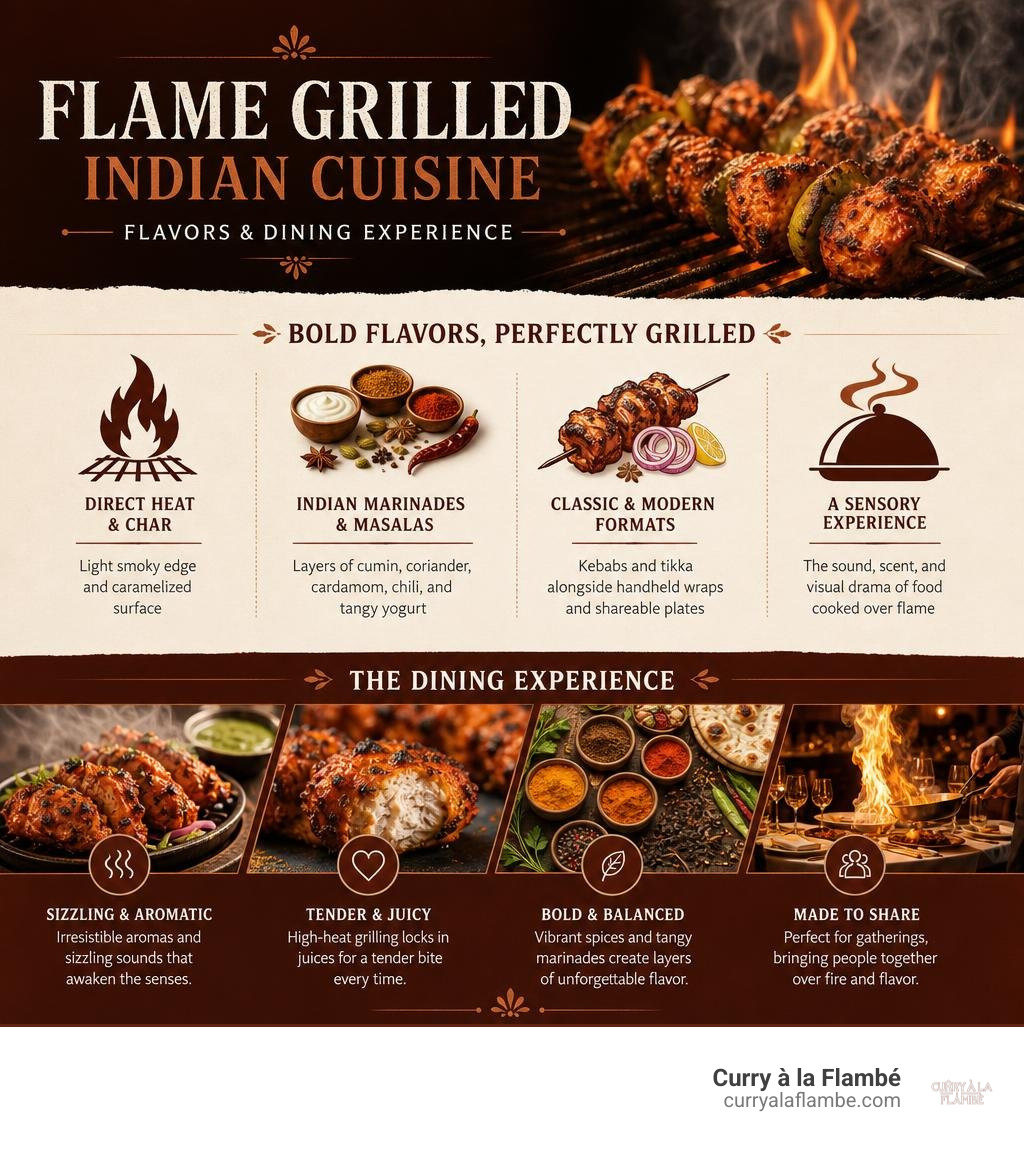
    Flame grill Indian cuisine brings Indian spices, yogurt marinades, and high-heat cooking together for food with a smoky crust, tender center, and bold aroma. Expect sizzling kebabs, charred vegetables, tandoori-style proteins, and modern wraps that make live-fire flavor easy to enjoy.

    What defines it What diners can expect
    Direct heat and char A light smoky edge and caramelized surface
    Indian marinades and masalas Layers of cumin, coriander, cardamom, chili, and tangy yogurt
    Classic and modern formats Kebabs and tikka alongside handheld wraps and shareable plates
    A sensory experience The sound, scent, and visual drama of food cooked over flame

    This style is growing because it makes familiar Indian flavors feel immediate and memorable. At Curry à la Flambé, the idea goes one step further: bold Indian spice meets refined French technique and theatrical flambé service in an upscale-casual setting.

    I am Patrycja Szkutnik, founder of Curry à la Flambé, where I help shape a dining experience built around flame grill Indian cuisine, Indian-French fusion, and tableside fire. That focus on fresh ingredients, strong flavor, and a little spectacle sets the stage for the live-fire ideas ahead.

    Flame grilled Indian cuisine flavors and dining experience infographic

    The Evolution and Rise of Flame Grill Indian Cuisine

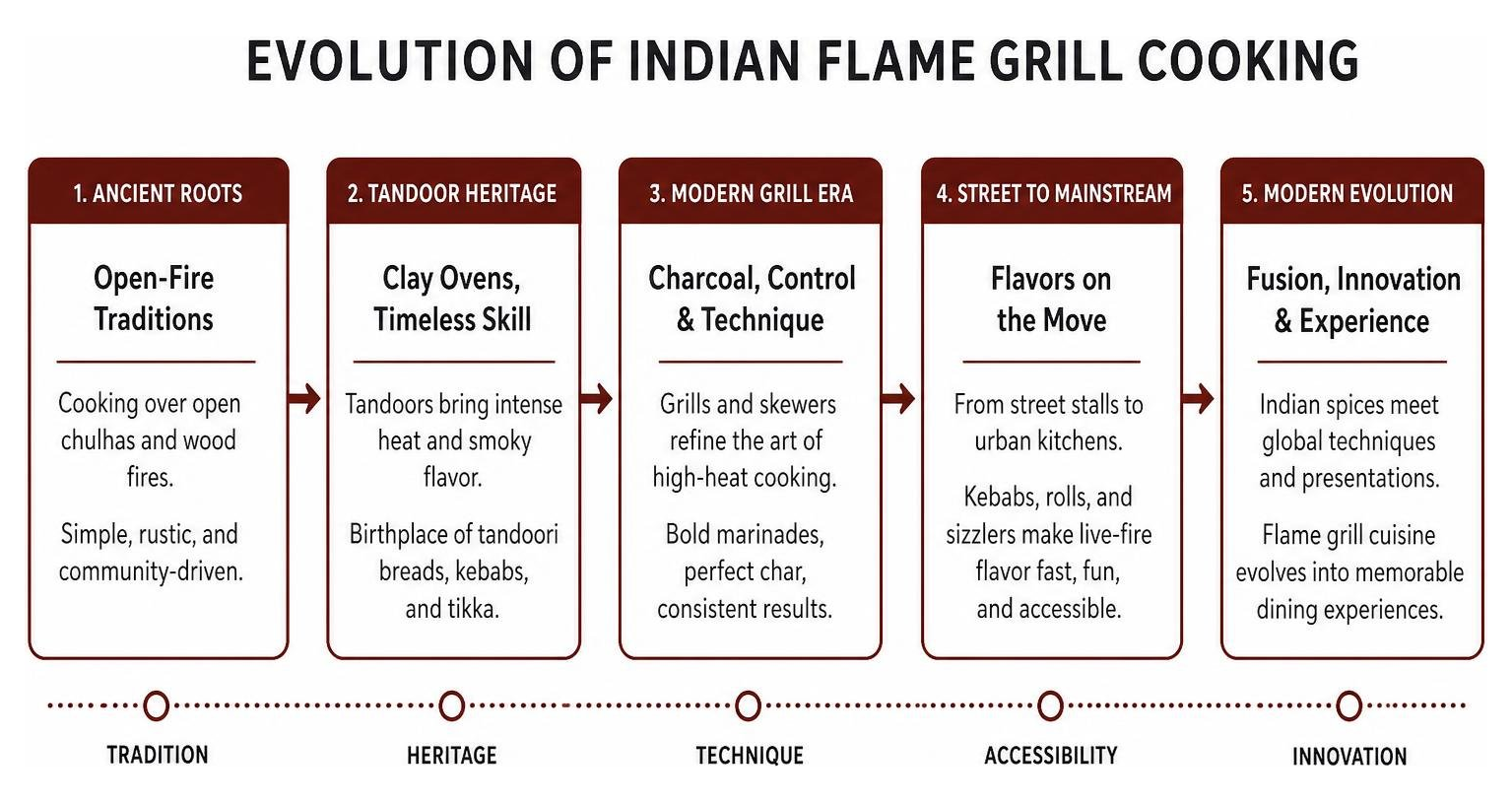
    The fascination with cooking over direct fire is as old as humanity itself, but its role in Indian culinary culture has evolved remarkably over the centuries. Historically, live-fire cooking in India relied on open-fire chulhas (clay hearths) and traditional subterranean tandoor ovens lined with clay. Fueled by glowing charcoal or wood embers, these heat sources created intense temperatures upwards of 500 degrees Fahrenheit, locking in juices while conferring a subtle, earthy smokiness.

    In recent years, modern gastronomy has embraced this age-old tradition with renewed vigor. Across top culinary destinations, chefs are proving that a controlled touch of char elevates basic ingredients into complex taste sensations. As explored in articles like Burnt is beautiful: Inside Flint, NCPA’s newest grill-forward destination, direct exposure to high heat brings out hidden sweetness, deepens savory notes, and introduces a smoky aroma that sauces alone simply cannot replicate.

    Today, flame grill indian cuisine bridge the gap between traditional tandoori heritage and , modern lifestyles. Street food cultures across Northern India and bustling urban hubs have inspired quick-casual formats, transforming classic skewered kebabs into portable handheld wraps, sizzler platters, and quick lunch options without sacrificing rich flavor.

    Evolution of Indian flame grill cooking

    Signature Dishes Defining Flame Grill Indian Cuisine

    When people think of flame-grilled Indian dishes, succulent chicken tikka and spiced seekh kebabs often come to mind first. However, the modern grill-forward menu extends far across rich curries, deep-fried snacks, and freshly seared specialties.

    At Curry à la Flambé, as well as across the wider landscape of flame grill indian cuisine, several iconic items anchor the experience:

    • Butter Chicken: While traditionally known as a creamy, comforting simmered curry, authentic butter chicken begins on the grill or in a tandoor. Tender pieces of chicken are charred over high flame before being folded into a silky tomato-butter sauce, ensuring every bite carries a hint of underlying smoke.
    • Chicken Pakura (Pakora): Crisp, golden fritters seasoned with carom seeds, ginger, and garlic. These bite-sized appetizers provide a crunchy texture contrast before rich, smoky main courses.
    • Aloo Gobi: A timeless dry curry featuring potatoes (aloo) and cauliflower florets (gobi). When cooked over live heat or tossed with open-flame charred elements, the cauliflower tips acquire a nutty, caramelized finish.
    • Bindi Bhaja (Bhindi Bhaji): Okra pan-seared or flash-grilled over high heat with mustard oil, turmeric, and dried mango powder (amchur). High heat eliminates any stickiness, yielding a crisp, savory vegetable dish bursting with flavor.
    • Indian Grill Wraps & Kebabs: Handheld flatbread wraps packed with freshly charred paneer, spiced minced meat seekh, or chicken tikka, drizzled with tangy mint chutney and crunchy onions for dining on the go.
    Classic Tandoori Preparation Flame-Grilled Modern Favorites
    Cooked in deep vertical clay ovens Prepared on open-flame grills, griddles, or tableside flambé
    Focus on large bone-in cuts and naans Includes bone-in meats, thin boneless tikka, and portable wraps
    Traditional marinades relying heavily on yogurt base Varied marinades featuring modern spice rubs and citrus glazes
    Served primarily as sit-down family platters Flexible for fine dining, upscale casual, or quick carryout

    Key Spices and Marinades in Flame Grill Indian Cuisine

    The secret behind exceptional flame grill indian cuisine lies in the art of the marinade and the precise blending of spice masalas. Unlike Western barbecue, which frequently relies on thick, sugary sauces brushed late in the cooking process, Indian grilling embeds flavor deep into proteins and vegetables hours before they touch the flame.

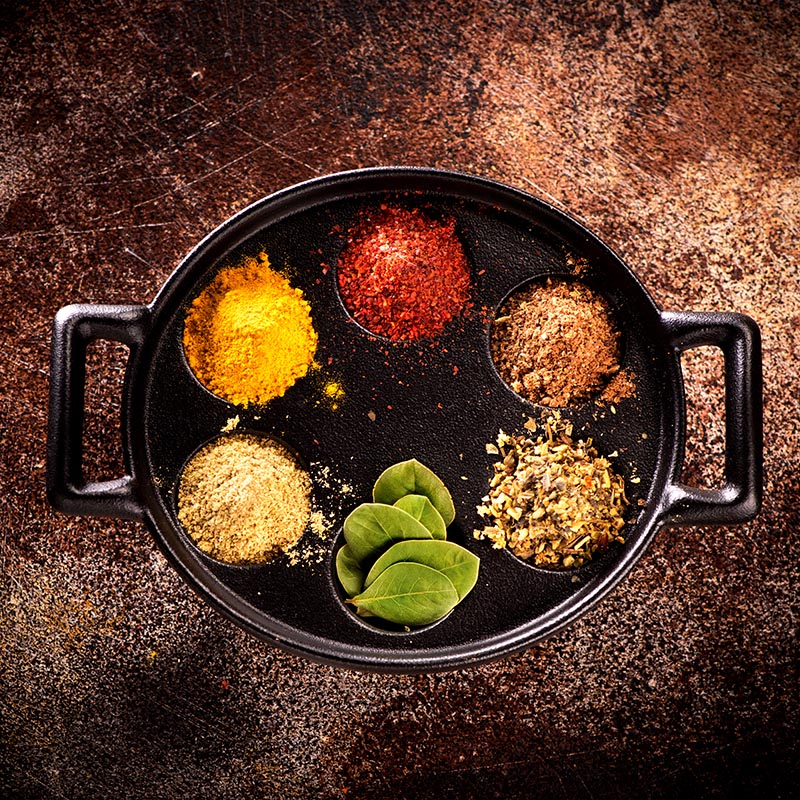
    Central to this technique is the balance of warm spices. Essential aromatics include:

    • Cumin & Coriander: The earthy backbone of almost every marinade, providing depth and a toasted, nutty aroma when exposed to heat.
    • Cardamom (Green & Black): Green cardamom adds sweet floral notes, while smoky black cardamom reinforces the natural charred flavor of wood and charcoal.
    • Chili & Kashmiri Red Pepper: Delivers vibrant natural red color and a gentle, manageable warmth without overwhelming the palate.

    Many home enthusiasts and professional kitchens rely on specialized spice blends, such as a Signature BBQ Rub – India’s BBQ, to achieve that rich harmony of cumin, coriander, cardamom, and chili.

    For home cooks looking to recreate these authentic flavors, packaged sets like the Orika Grill & Chill Portable Barbeque Griller Set with Seasonings/Mari have popularized classic marinades like Malai Tikka (a rich cream and cashewnut marinade), Tandoori Marinade, and tangier toppings like Old Dilli Chat Masala.

    By sealing ground spices in airtight, light-impermeable packaging, the volatile essential oils within the masalas remain protected. When combined with yogurt, oil, or citrus juices, these spices cling to ingredients, creating a protective coating that caramelizes beautifully under direct flame.

    Culinary Techniques Behind Fire, Char, and Smoke

    Mastering open-flame Indian cooking requires more than high heat—it demands an understanding of heat zones, timing, and smoke production. Flame grilling relies on direct radiant heat to initiate the Maillard reaction, a chemical process between amino acids and reducing sugars that gives browned food its desirable flavor.

    When marinades containing yogurt, ginger, garlic, and spices meet the fire, the moisture rapidly evaporates, leaving behind a fragrant, crisp crust while keeping the inside tender and juicy. Achieving this perfect balance is key to our story at Curry à la Flambé, where we combine classic open-flame charring with French flambé presentation to bring real culinary artistry to your table.

    Managing Marinades over High Heat

    One of the greatest challenges in flame grill indian cuisine is managing sweet or delicate ingredients over open flames. Marinades containing honey, fruit juices, or heavy cream can burn quickly if left untended over hot charcoal or gas flames.

    To prevent bitter scorching while encouraging pleasant charring, experienced chefs follow a few essential guidelines:

    1. Monitor Sugar Content: High-sugar marinades should be applied during the final stages of grilling or cooked over indirect heat zones.
    2. Use Tangy Bases: Fresh yogurt, lemon juice, or raw papaya function as natural tenderizers, allowing spices to penetrate deeply without requiring excessive sugar.
    3. Control Flame Flare-Ups: Dripping fats and oils can ignite sharp flare-ups. Rotating skewers and managing fuel placement creates consistent, even charring across all sides.
    4. Rest and Finish: Allowing grilled proteins to rest briefly before dusting them with tangy chat masala or drizzling with infused oils preserves moisture and elevates aroma.

    Chef preparing charred spice marinades for open flame grill

    Delicious Vegetarian and Vegan Grill Options

    Flame grill indian cuisine is exceptionally welcoming to vegetarian and vegan diners. Unlike many culinary traditions where plant-based options are an afterthought, Indian cuisine treats vegetables and plant proteins with equal creativity and respect.

    Because high heat enhances natural sugars through caramelization, hearty vegetables develop rich, smoky profiles on the grill. Popular vegetarian and vegan flame-grilled options include:

    • Paneer Tikka: Thick cubes of fresh Indian cottage cheese marinated in spiced yogurt, bell peppers, and onions, skewered and grilled until edges turn golden and crisp.
    • Charred Aloo Gobi: Cauliflower florets and tender baby potatoes tossed in mustard oil, turmeric, and cumin, charred to bring out a nutty, smoky bite.
    • Bindi Bhaja: Okra seared rapidly at extreme temperatures to maintain a satisfying crunch and smoky exterior without softening excessively.
    • Mushroom & Vegetable Kebabs: Whole cremini mushrooms, sweet onions, and zucchini marinated in garlic, chili, and lemon juice, grilled over open flames.

    Dining Experience, Event Catering, and Special Discounts

    At Curry à la Flambé, located at 42787 Woodward Ave, Suite 2, Bloomfield Hills, MI 48304 (conveniently situated near Corewell Health Urgent Care), we offer an inviting, upscale casual ambiance designed around warmth, hospitality, and visual excitement. Whether you are joining us in our comfortable dining room to experience live flambé presentations or picking up a fast carryout meal for the family, our focus remains on providing fresh, memorable meals.

    Restaurant dining experience room interior

    Elevating Events with Live-Fire Catering

    Looking to make your next gathering unforgettable? Live-fire cooking brings energy, enticing aromas, and fresh food directly to your guests. Through our professional catering services, we craft tailored party menus for corporate lunches, weddings, anniversary celebrations, and casual backyard gatherings.

    Our catering team works closely with hosts to design balanced menus featuring sizzling kebab platters, rich curries, fresh naan, and crisp vegetarian starters, ensuring every guest enjoys a dining experience that is vibrant, hot, and full of flavor.

    Operating Hours and Carryout Savings

    We believe exceptional dining should fit effortlessly into your weekly schedule. Whether you are planning a relaxed weekend sit-down dinner or seeking quick weekday carryout, we are open seven days a week:

    • Monday through Saturday: 11:00 AM – 8:30 PM
    • Sunday: 12:00 PM – 8:00 PM

    To show our appreciation for our online carryout guests, we regularly feature special ordering discounts. When placing carryout orders online through our platform, you can take advantage of limited-time promotional codes:

    • Take 15% off online orders over $20 (up to a $10 discount) using coupon code APRILGAME15 (valid from 4/19 through 4/26).
    • Save 10% off orders over $40 (up to a $10 discount) using promo code SPECIAL10 (valid through April 25, 2026).

    You can easily check our latest menu items, seasonal updates, and active savings by visiting our offers and events page.

    Frequently Asked Questions About Flame-Grilled Indian Food

    What makes flame-grilled Indian cuisine distinct from traditional curries?

    While traditional Indian curries rely on long, slow simmering in pots (handis) to build thick gravy bases, flame-grilled Indian cuisine uses direct, high-heat exposure over open fire or charcoal. This process caramelizes marinades quickly, producing a light smoky crust on the exterior while preserving tenderness inside. Grilled meats and vegetables can be enjoyed on their own as kebabs and wraps, or added into simmered sauces right before serving to give classic dishes like butter chicken a complex smoky undertone.

    Are there good vegan options available in flame-grilled Indian menus?

    Yes! Indian cuisine offers an abundance of naturally vegan options. Dishes featuring cauliflower and potatoes (aloo gobi), crisp okra (bindi bhaja), spiced chickpeas, and assorted vegetable skewers marinated in mustard oil, lemon juice, garlic, and dry masalas offer rich smoky flavors without relying on dairy or animal products.

    How do promo codes work for online flame-grilled carryout orders?

    Using promotional codes for online carryout is simple. Explore our full menu on the official Home website or order platform, select your favorite flame-grilled items, and proceed to checkout. Enter your active discount code—such as APRILGAME15 for 15% off orders over $20, or SPECIAL10 for 10% off orders over $40—into the promotional code field before completing your payment to instantly apply your savings.

    Conclusion

    The growing popularity of live-fire cooking in Indian dining highlights a clear trend: food lovers appreciate bold marinades, fresh ingredients, and rich, smoky flavors. Flame grill Indian cuisine delivers an engaging sensory experience through sizzling kebabs, tender charred vegetables, portable daily wraps, and flame-kissed curries.

    At Curry à la Flambé, we elevate this live-fire passion by pairing authentic spice techniques with elegant French fusion and exciting tableside flambé presentations. Whether you are celebrating a special occasion in our Bloomfield Hills dining room, hosting an event with our catering team, or enjoying convenient carryout at home, we invite you to enjoy the best of fire and spice.

    Ready to taste the excitement? Contact us today to reserve your table, or explore our menu online to place your next carryout order!

  • Gulab Jamun Meets Cheesecake and Other Modern Indian Fusion Desserts

    Gulab Jamun Meets Cheesecake and Other Modern Indian Fusion Desserts

    The Art and Rise of Indian Fusion Desserts

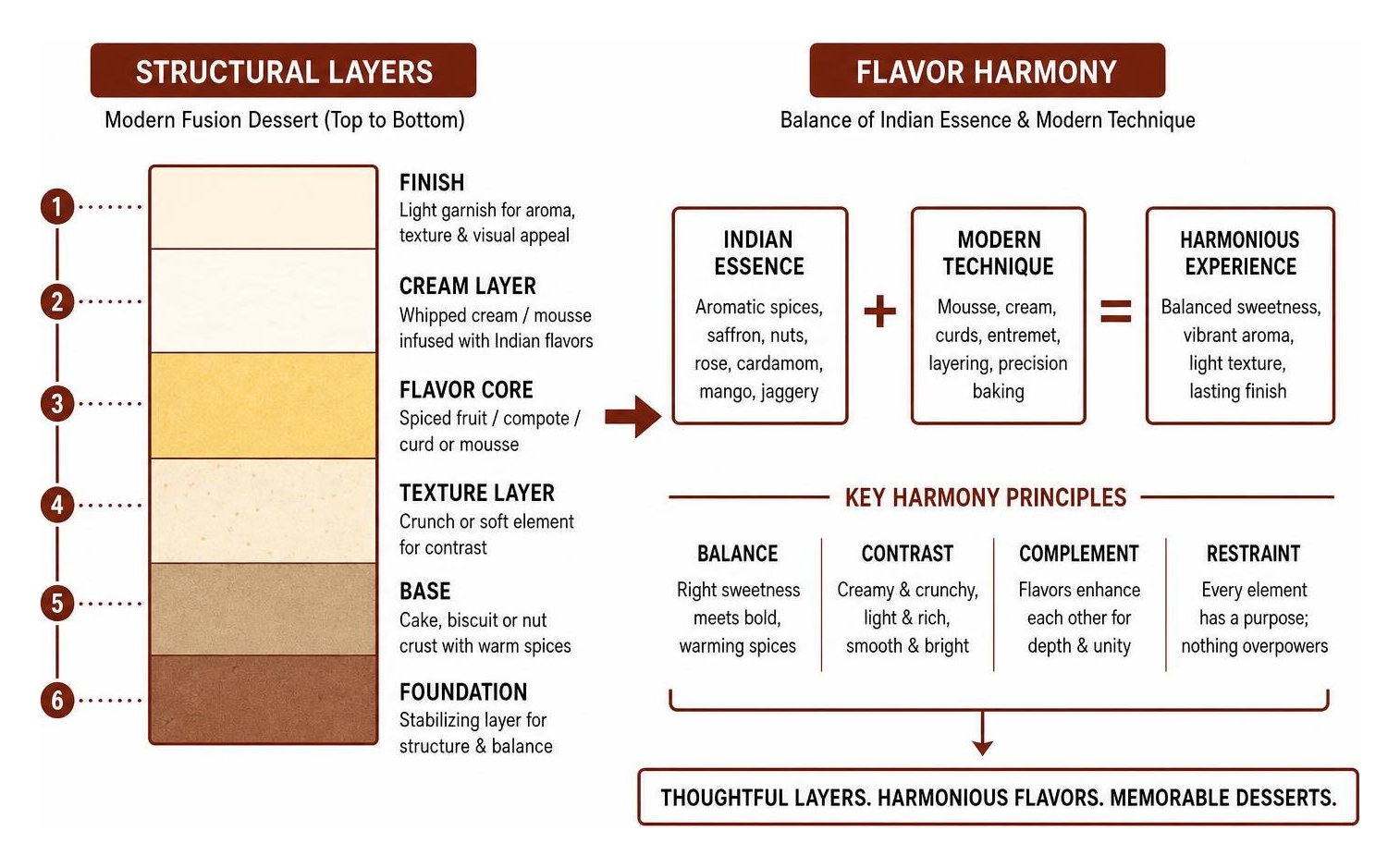
    The global dessert scene has undergone a magnificent evolution. At Curry à la Flambé, we have witnessed how cross-cultural culinary artistry transforms everyday dining into a memorable event. The rise of indian fusion desserts stems from a desire to enjoy the rich, evocative spices of South Asian sweets without the heavy, cloying sugar saturation that traditional halwais often deliver. By marrying traditional spice profiles with airy Western pastry formats, chefs and home bakers create incredible texture contrasts that appeal to modern palates.

    Over 60% of home bakers in India report experimenting with fusion desserts, combining traditional mithai with formats like no-bake cheesecakes and tiramisu. To understand The Art of Indian French Fusion, one must look at how classical techniques balance intense flavors.

    Sweetness and Spice Balance

    Traditional Indian mithai relies heavily on concentrated sugar syrups (chaasni) and milk solids reduced over low heat for hours. When adapting these flavors into Western baking, the secret lies in sweetness reduction and spice elevation:

    • Cardamom Powder & Bloomed Saffron: Ground green cardamom offers citrusy, eucalyptus notes that cut through heavy fats, while saffron soaked in warm milk provides an unmistakable floral depth and golden hue.
    • Organic Rose Water & Citrus Zest: Rose water pairs seamlessly with dairy, while lemon or orange zest brightens milk-heavy reductions.
    • Cream Cheese Tang & Dark Chocolate Acidity: The natural lactic tang of cream cheese or mascarpone offsets syrup-soaked sweets like gulab jamuns. Dark chocolate with 70% or higher cocoa solids balances dense, grainy milk sweets.

    Core Ingredients and Base Components

    To master indian fusion desserts, your pantry should feature a hybrid mix of classic Indian ingredients and Western pastry staples:

    • Dairy Solids & Cheeses: Fresh paneer solids, thick hung curd (greek yogurt), heavy whipping cream, and rich mascarpone cheese.
    • Sweetened Milk Bases: Condensed milk and evaporated milk, which mimic hours of traditional milk reduction in minutes.
    • Cookie Crusts: Lotus Biscoff cookies provide spiced caramel notes, while nostalgic South Asian tea biscuits like Parle-G, Good Day pistachio cookies, or crisp cake rusks form ideal structural bases.

    Gulab Jamun Cheesecake and Festive Mousses

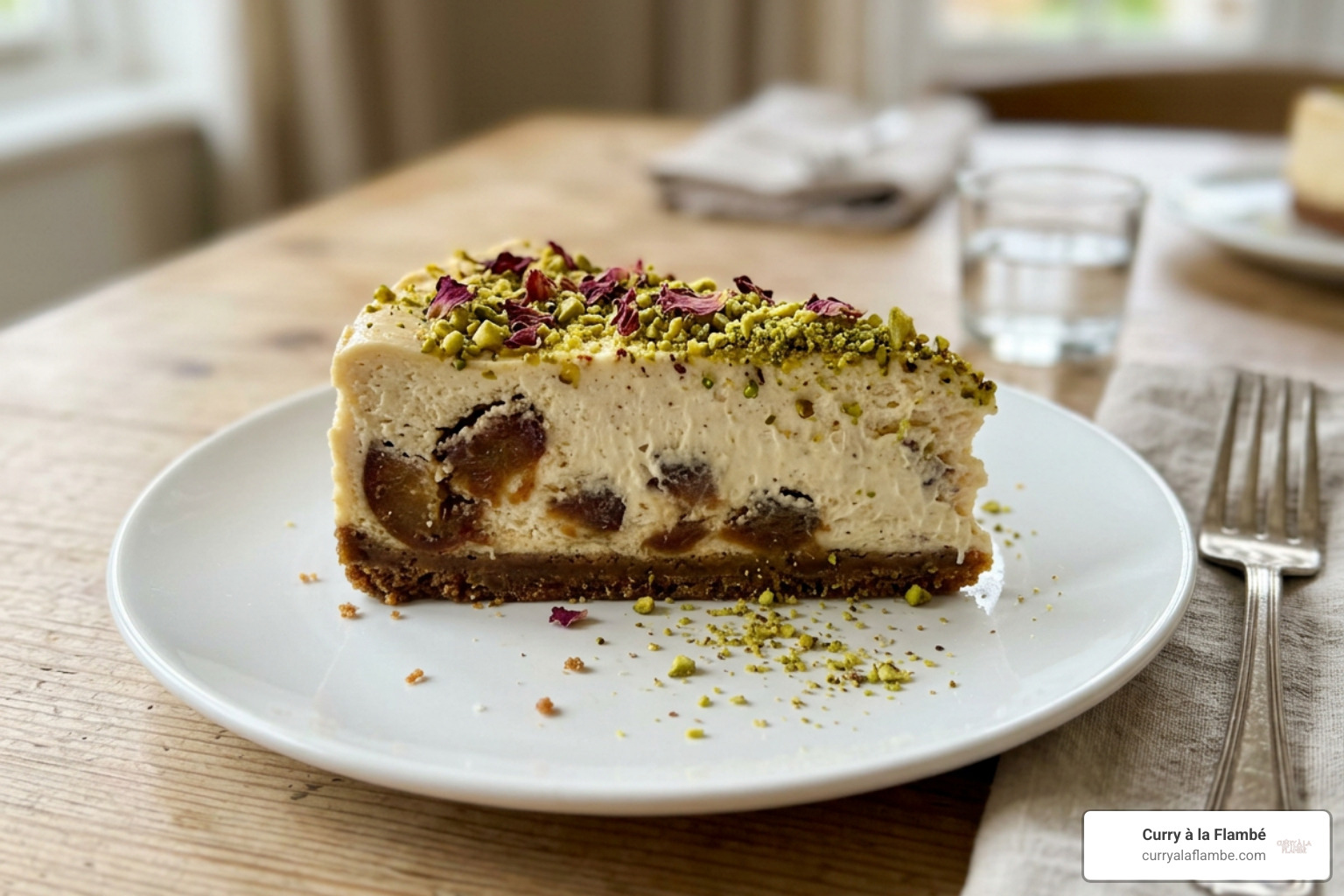
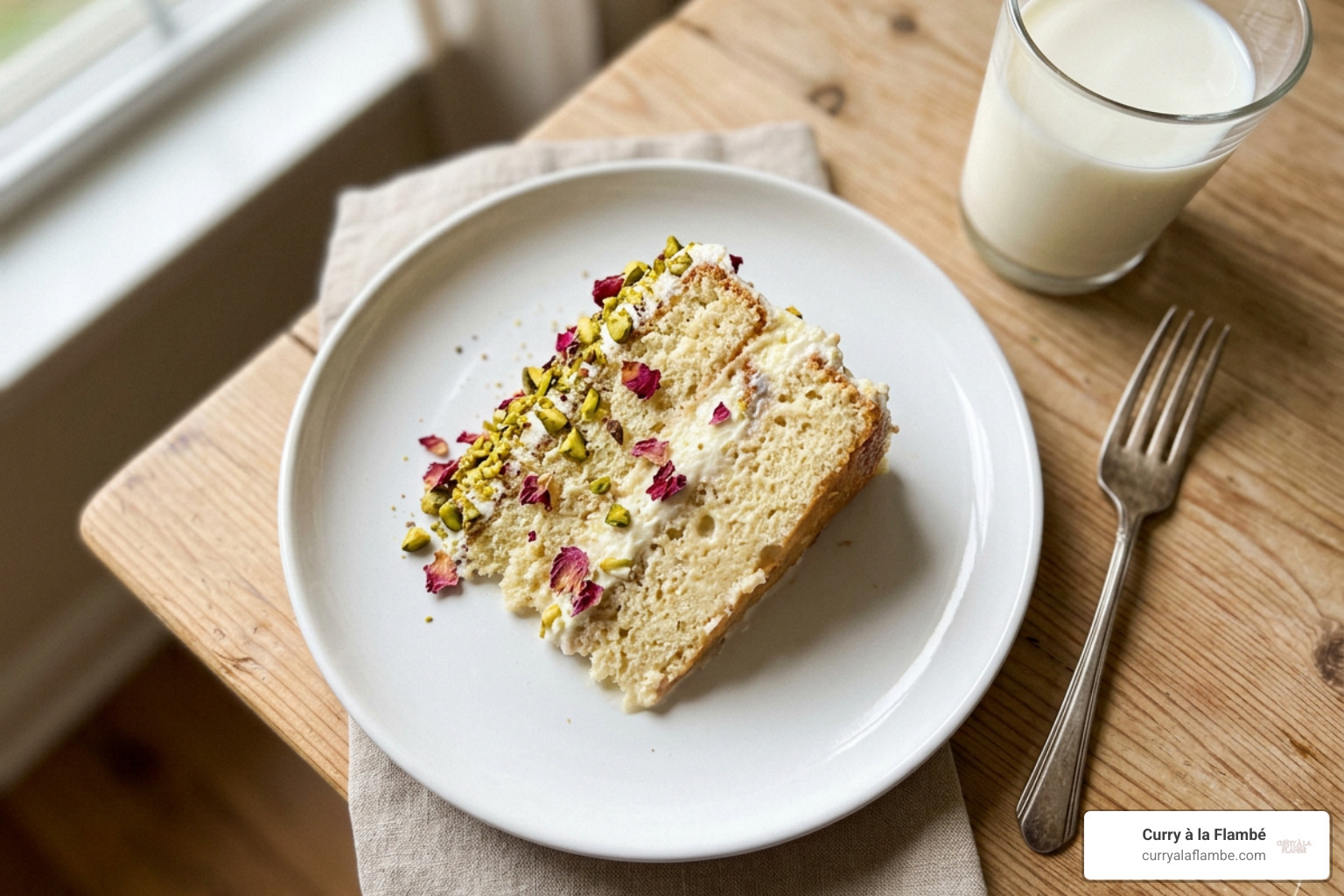
    The undisputed king of modern fusion treats is the Gulab Jamun Cheesecake. Combining a buttery biscuit crust, a tangy cream cheese filling, and soft, syrup-soaked gulab jamuns embedded throughout, this dessert delivers a stunning cross-sectional reveal when sliced.

    Sliced eggless gulab jamun cheesecake topped with crushed pistachios

    To craft a flawless no-bake variation, fold cardamom powder and bloomed saffron into a whipped cream cheese and condensed milk mixture. Press a crushed Parle-G or Biscoff cookie crust into a springform pan, layer half the cream mixture, press whole or halved mini gulab jamuns into the filling, and cover with the remaining cream. Chill for at least 8 hours to set.

    Creative Variations from Donuts to Thandai Mousses

    Beyond cheesecakes, gulab jamuns adapt brilliantly into various formats:

    • Glazed Gulab Jamun Donuts: Cake-style donuts baked with chopped jamuns in the batter, dipped in a light rose-water glaze and garnished with edible silver vark.
    • Whipped Thandai Mousse Jars: Thandai spice mix—a festive blend of fennel seeds, melon seeds, black pepper, cardamom, and rose petals—infused into cream and stabilized with agar-agar. Layered over sliced gulab jamuns in clear shot glasses, these make incredible festive treats.

    Rasmalai Tres Leches and Italian Tiramisu Crossovers

    Combining Latin American soaking methods with Indian flavors gives us the irresistible Rasmalai Tres Leches. In this dish, a light, fluffy sponge cake is poked with holes and soaked in a saffron-cardamom infused milk bath (ras).

    Rasmalai tres leches cake garnished with rose petals

    For complete recipe ratios and detailed assembly, explore our reference for the Rasmalai Tres Leches Guide. The secret is reducing a portion of the saffron milk into a thick rabdi layer, spreading it over the soaked sponge, and finishing with whipped cream and crushed pistachios.

    Similarly, Indian-Italian mashups have skyrocketed in popularity. By folding thick rabdi into mascarpone or cream cheese, home cooks create a luxurious base for Rabdi Gulab Jamun Tiramisu. Check out this step-by-step Rabdi Gulab Jamun Tiramisu Recipe for party inspiration.

    Masala Chai Tiramisu and Tea-Time Innovations

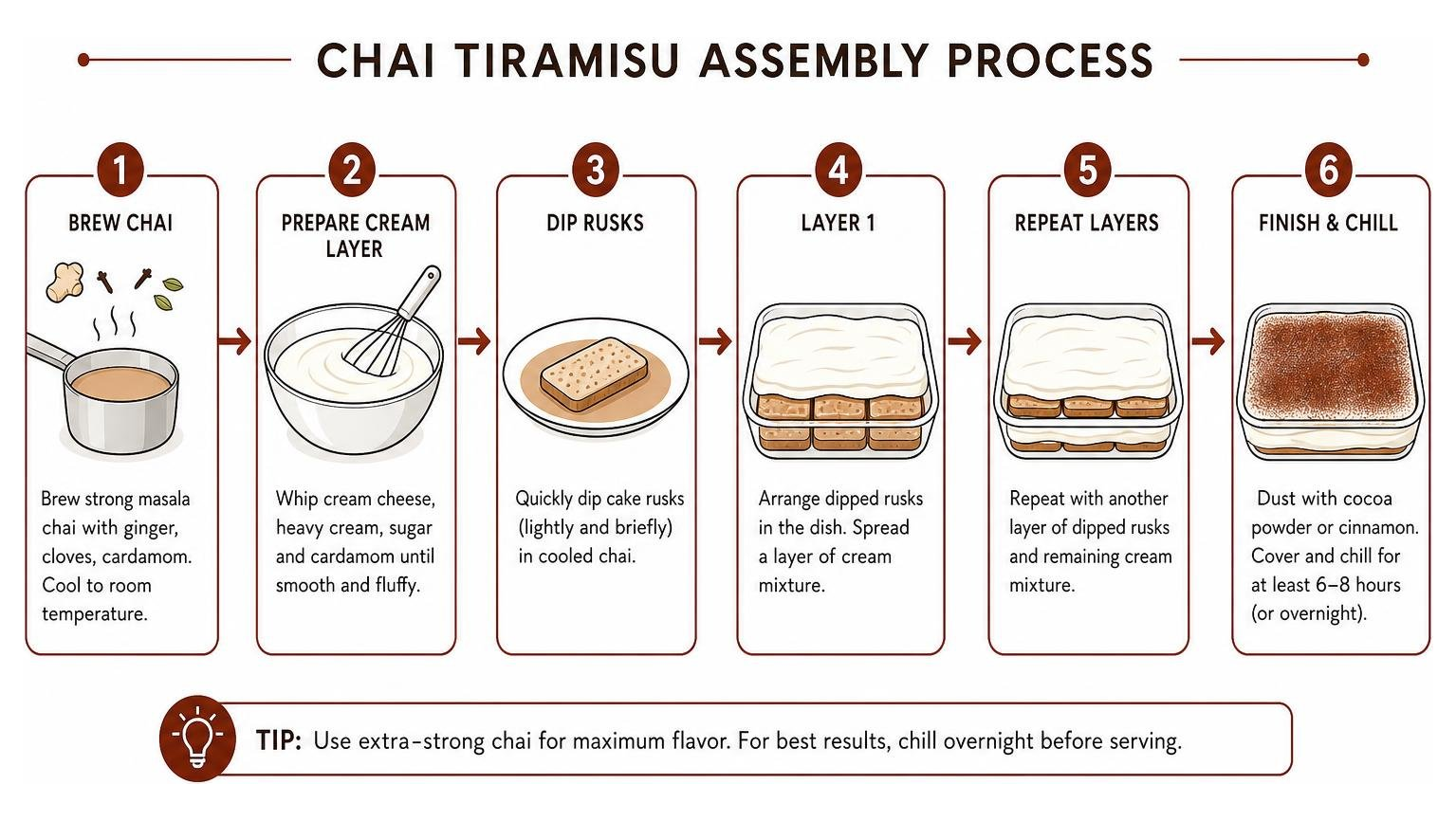
    No-bake desserts have seen a 35% surge in popularity, led by recipes like Chai Tiramisu. In this dish, traditional Italian ladyfingers or crispy South Asian cake rusks are dipped into extra-strong, freshly brewed masala chai infused with ginger, cloves, and cardamom.

    Chai tiramisu assembly process diagram

    Layer the dipped rusks with a whipped cream cheese layer spiked with cardamom and top with a dusting of cocoa powder or cinnamon. You can find full details in this Chai Tiramisu Recipe.

    Transforming Classic Mithai into Modern Pastries

    Traditional Indian sweets like gajar halwa (carrot pudding), kalakand (milk cake), and kaju katli (cashew fudge) translate effortlessly into modern pastry items:

    • Gajar Halwa Truffles: Concentrated carrot halwa rolled into bite-sized spheres, chilled, and dipped in melted dark chocolate.
    • Paan Gulkand Bites: Paan (betel leaf) paste combined with condensed milk and desiccated coconut, stuffed with sweet gulkand (rose petal preserve).
    • Kaju Katli Ice Cream Sandwiches: Rich cardamom ice cream sandwiched between two thin slices of cashew fudge.
    • Brownie Kalakand Fusion: Microwaving paneer, condensed milk, and dark chocolate together creates a fudgey brownie-kalakand bar in under 5 minutes. Try this Bournville Brownie Kalakand Fusion recipe.
    • Dairy Milk Saffron Kharwas: Recreating the traditional Maharashtrian colostrum pudding using full-cream milk, condensed milk, hung curd, and milk chocolate, set without a steamer in an oven water bath. See this Dairy Milk Saffron Kharwas Recipe.

    Easy No-Bake Indian Fusion Desserts for Quick Prep

    When hosting a party, you don’t need to spend hours reducing milk from scratch. Clever store-bought shortcuts yield professional-tasting results in minutes:

    Fusion Dessert Store-Bought Shortcut Active Prep Time Chilling Time
    Gulab Jamun Rabdi Cake Canned Jamuns + Store-Bought Pound Cake + Instant Rabdi 10 Mins 8 Hours
    Mango Shrikhand Cheesecake Store-bought Mango Pulp + Greek Yogurt + Parle-G Crust 15 Mins 4 Hours
    Chai Tiramisu Tea Rusks + Pre-made Chai Mix + Whipped Cream Cheese 20 Mins 3 Hours
    Paan Coconut Ladoo Desiccated Coconut + Condensed Milk + Gulkand 15 Mins 0 Mins

    Eggless, Vegan, and Dietary Adaptations

    • Eggless Baking: Traditional Indian desserts are inherently eggless. For sponge cakes and cupcakes, replace eggs with yogurt, condensed milk, or aquafaba (chickpea water).
    • Vegan Options: Substitute full-fat dairy with coconut condensed milk, oat cream, and cashew milk solids.
    • Agar-Agar Conversion: When replacing animal gelatin with plant-based agar-agar powder for mousses or panna cottas, use 1 teaspoon of agar-agar powder for every 1 tablespoon of agar flakes or 1/3 cup of agar strands.

    Presenting Fusion Sweets for Special Occasions

    Visual presentation elevates indian fusion desserts from simple homemade treats to showstopping centerpieces. During Diwali, Holi, and weddings, curated dessert boxes filled with bite-sized fusion treats are hugely popular.

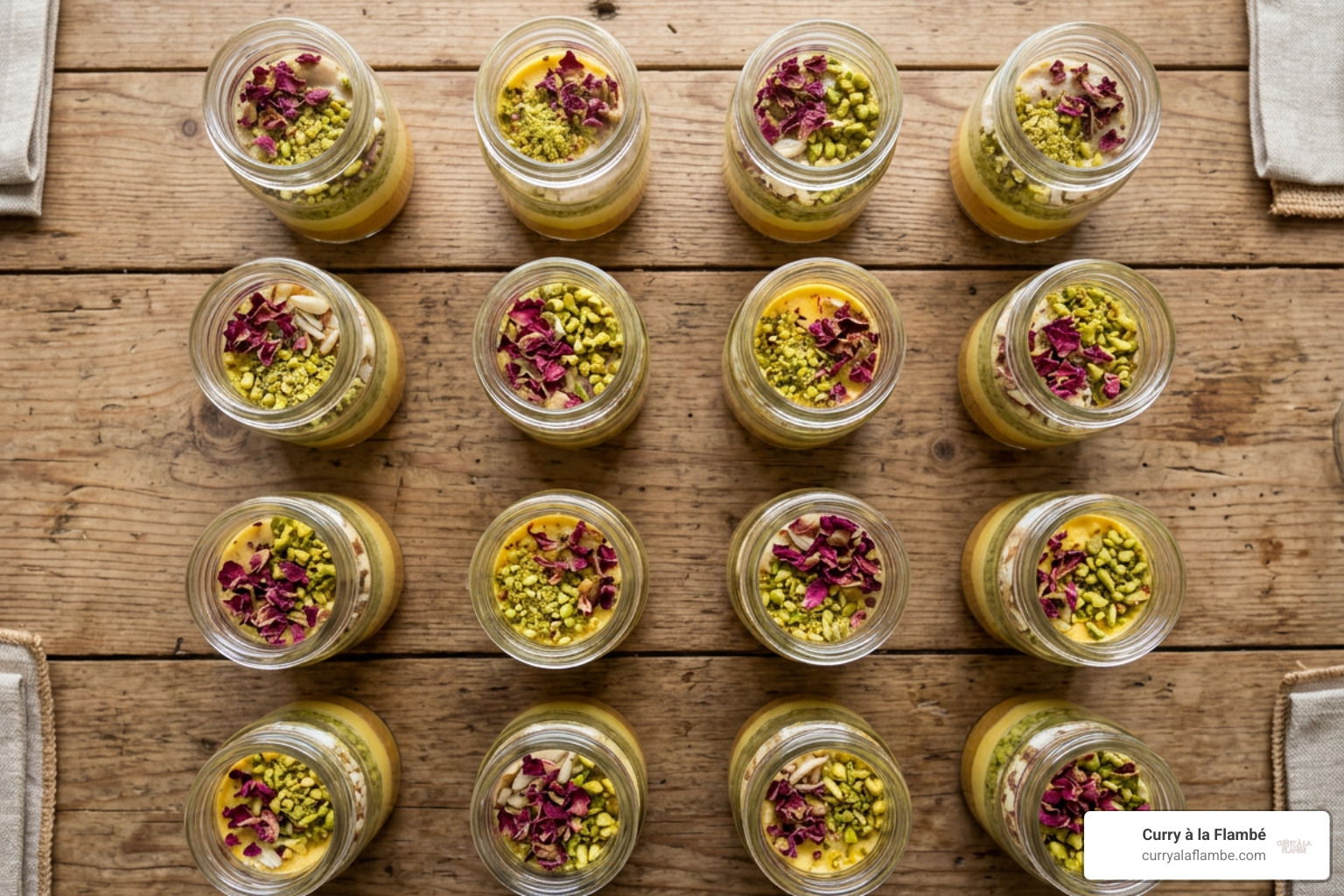
    Mini fusion dessert jars formatted for party favors

    Serve layered desserts like thandai mousses or rasmalai tiramisu in individual shot glasses or clear glass jars. Garnish with edible silver vark, crushed pistachios, and dried rose petals right before serving. To experience how expert chefs elevate presentation and festive dining, check out our Offers and Events page.

    Storing and Serving Indian Fusion Desserts at Scale

    1. The 24-Hour Rule: Almost all layered fusion desserts (Tiramisus, Tres Leches, Cheesecakes) taste significantly better after resting in the refrigerator for 12 to 24 hours as the spices meld into the cream bases.
    2. Layer Setting: Ensure hot reductions or liquids (like warm rabdi or melted chocolate) are completely cooled to room temperature before combining with whipped dairy to prevent melting.
    3. Shelf Life: Assembled desserts keep fresh for 3 to 4 days refrigerated in airtight containers.

    Frequently Asked Questions

    What defines an Indian fusion dessert?

    An Indian fusion dessert is a culinary creation that blends classic South Asian sweet components (like gulab jamun, rasmalai, or gajar halwa) and aromatic spices (cardamom, saffron, thandai) with Western dessert architecture (cheesecakes, tiramisus, tarts, and mousses).

    How far in advance can fusion desserts be prepared for parties?

    Most fusion desserts—especially no-bake cheesecakes, tiramisus, and tres leches cakes—can be prepared 24 to 48 hours in advance. Extended chilling allows the cardamom, saffron, and chai spices to infuse thoroughly into the cream layers. Add delicate crisp garnishes (like silver leaf or roasted nuts) just before serving.

    What are common store-bought shortcuts for making fusion sweets at home?

    Popular shortcuts include using canned mini gulab jamuns, ready-made store-bought pound cakes, tea rusks, instant rabdi powders, store-bought mango pulp, and pre-packaged Parle-G or Biscoff cookies for crusts.

    Conclusion

    The evolution of modern desserts proves that cross-cultural culinary creativity has no bounds. By taking classic Indian mithai and reinterpreting it through light, sophisticated Western pastry formats, indian fusion desserts offer the perfect harmony of nostalgic spice and modern texture.

    At Curry à la Flambé, we take immense pride in pushing culinary boundaries. Whether through our theatrical flambé dining experiences or our innovative approaches to flavor pairing, we invite you to explore a world where tradition meets flair. Explore Our Dining Menu today to discover how we bring bold Indian spices and French culinary artistry to life!

  • Perfect Pairings: Wine with Indian–French Cuisine

    Perfect Pairings: Wine with Indian–French Cuisine

    Wine isn’t just for French dining—it beautifully complements Indian spices too. A crisp white balances creamy curries, while a bold red enhances smoky tandoor dishes. Our menu offers pairing recommendations so you can enjoy the perfect sip with every bite.

  • The Art of Indian–French Fusion

    The Art of Indian–French Fusion

    Blending two rich culinary traditions is more than mixing flavors—it’s creating a story on the plate. At Curry à la Flambé, French techniques meet the bold spices of India, bringing out new textures and tastes. From delicate sauces to vibrant curries, every dish is crafted to surprise and delight.

  • Why Fresh Ingredients Matter

    Why Fresh Ingredients Matter

    Great food begins with fresh ingredients. We carefully source seasonal produce, herbs, and spices to ensure every dish is full of flavor. Whether it’s hand-ground masalas or classic French stocks, freshness is what gives our cuisine its depth and authenticity.